

Cashew butter is widely appreciated for its naturally creamy texture and rich nutritional value. But for those following a low-carb lifestyle, a common question arises: is cashew butter keto friendly?
The answer lies in how you use it. While cashew butter contains more carbohydrates than some other nut butters, it also offers a unique combination of healthy fats, plant-based nutrients, and versatility that can still fit into a keto diet when used wisely.
1. Can You Eat Cashew Butter on a Keto Diet?

1.1. Why Keto Diet Requires Low-Carb Choices
The keto diet is designed around a low-carbohydrate, high-fat approach that shifts the body into a state of ketosis, where fat becomes the primary energy source.
Because of this, managing carbohydrate intake is essential. Even small amounts of excess carbs can impact your ability to stay in ketosis. This is why foods are often evaluated based on their net carb content, rather than just total calories or fat levels.
1.2. The Growing Popularity of Cashew Butters in Keto
Nut butters have become a staple in many keto diets due to their convenience and high-fat content. While almond butter and peanut butter are often the first choices, cashew butter is gaining popularity for a different reason – its smooth texture and superior versatility.
Unlike heavier or grainier alternatives, cashew butter blends easily into smoothies, spreads evenly on low-carb snacks, and works well in both sweet and savory recipes.
2. Nutritional Breakdown of Cashew Butter

2.1. Carbs and Net Carbs per Serving
Cashew butter does contain a higher level of carbohydrates compared to other nut butters. On average, one tablespoon provides around 8–9 grams of total carbs, with net carbs slightly lower depending on fiber content.
For strict keto diets, this means portion control becomes especially important. However, when consumed in moderation, cashew butter can still be included without exceeding daily carb limits.
Rather than viewing this as a limitation, it’s more effective to treat cashew butter as a controlled, high-quality addition to your diet.
2.2. Healthy Fats and Protein Content
Beyond its carb content, cashew butter offers a strong nutritional profile. It contains healthy unsaturated fats that provide steady energy, along with plant-based protein that supports overall satiety.
This combination makes it more than just a spread—it becomes a functional ingredient that contributes to both energy balance and nutritional intake.
2.3. Calories and Portion Considerations
Cashew butter is calorie-dense, meaning even small servings can provide a significant amount of energy. This can be beneficial for maintaining energy levels, especially in a high-fat diet like keto.
However, it also highlights the importance of mindful consumption. Measuring portions and incorporating cashew butter into balanced meals ensures that it enhances your diet rather than disrupting it.
3. Benefits of Cashew Butter
3.1. Provides Healthy Fats for Sustained Energy
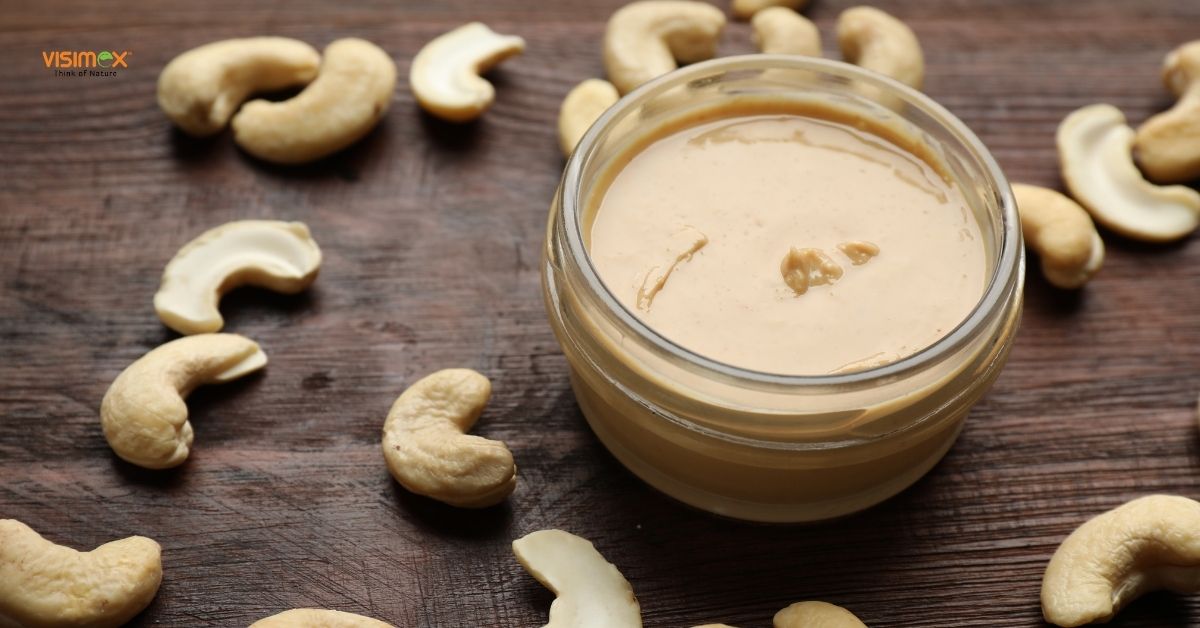
One of the main advantages of cashew butter is its content of healthy fats. These fats are digested slowly, helping to provide steady and sustained energy throughout the day.
Even within a keto diet, this makes cashew butter useful when consumed in controlled portions.
3.2. Versatile and Easy to Use in Meals
Cashew butter is highly versatile and can be easily incorporated into different meals. It works well in smoothies, low-carb snacks, or as a spread.
This flexibility makes it easier to include in a balanced diet without requiring complex preparation.
3.3. Supports Satiety and Reduces Cravings
Thanks to its combination of fats and protein, cashew butter can help promote a feeling of fullness. This may reduce cravings and prevent unnecessary snacking, which is especially helpful when managing calorie intake.
4. Cashew Butter vs Other Nut Butters for Keto

4.1. Cashew Butter vs Almond Butter
Almond butter is widely considered one of the most keto-friendly nut butters, mainly due to its lower carbohydrate content. For individuals strictly limiting their daily carb intake, almond butter often becomes the preferred option because it allows for more flexibility in meal planning.
In contrast, cashew butter contains a higher amount of carbohydrates per serving. This means it requires more careful portion control when included in a keto diet. However, what cashew butter may lack in carb efficiency, it makes up for in texture and taste. Its naturally creamy consistency and mild, slightly sweet flavor make it easier to incorporate into a variety of recipes, especially smoothies and spreads.
4.2. Cashew Butter vs Peanut Butter
Peanut butter is commonly used for its protein content, but cashew butter stands out for its cleaner taste and superior versatility. Its naturally creamy consistency blends more smoothly into recipes, making it ideal for modern, health-focused diets.
In addition, cashew butter provides a well-rounded nutritional profile, combining healthy fats with essential minerals. For those who prioritize both nutrition and eating experience, cashew butter becomes a more premium and enjoyable option.
5. How to Use Cashew Butter on Keto
5.1. Control Portion Size to Stay Within Carb Limits
Cashew butter works best on keto when consumed in moderate portions. A small serving is enough to deliver flavor, nutrition, and satiety without exceeding your daily carb allowance.
This allows you to enjoy a keto friendly cashew butter option while still maintaining control over your diet.
5.2. Pair with Low-Carb Foods
One of the best ways to optimize cashew butter for keto is by pairing it with low-carb ingredients. When combined with foods like seeds, keto-friendly snacks, or low-carb fruits, it creates a more balanced and satisfying meal.
This approach not only reduces the overall carb impact but also enhances the nutritional value of your diet.
5.3. Use It Occasionally Rather Than Daily

Instead of treating cashew butter as a restriction, it’s better to view it as a flexible addition to your keto plan. Its versatility allows you to enjoy a wider variety of meals without feeling limited.
This flexibility is key to maintaining consistency and long-term success in any diet.
5.4. Choose Unsweetened and Natural Options
The quality of cashew butter plays a major role in how well it fits into a keto diet. Natural, unsweetened products ensure that you avoid unnecessary sugars and additives.
Products from Visimex, for example, are made from carefully selected cashews and processed under controlled conditions to preserve their natural flavor and nutritional value. This makes them an excellent choice for those looking to incorporate keto friendly cashew butter into their daily routine.
6. How to Choose Keto Friendly Cashew Butter

6.1. Check Ingredient List
The first and most important step is to look at the ingredient list. High-quality cashew butter should ideally contain only one ingredient: cashews.
Products with added sugar, hydrogenated oils, or artificial preservatives can increase carb content and reduce overall nutritional value. A clean and simple ingredient list is often the clearest sign that you are choosing a product aligned with both keto principles and clean eating habits.
6.2. Look at Net Carb Content
Even when the ingredients are natural, it is still essential to understand the nutritional breakdown, especially the net carb content per serving.
For those following a keto diet, tracking net carbs is critical. A well-formulated keto friendly cashew butter should be consumed in portions that fit within your daily carb allowance, allowing you to enjoy its benefits without disrupting ketosis.
6.3. Avoid Processed or Flavored Options
Many flavored cashew butter products on the market are designed for taste rather than health. These often contain added sugars, syrups, or artificial flavorings that significantly increase carb levels.
To maintain a keto-friendly approach, it’s best to choose natural, minimally processed options. This ensures that you are getting the authentic nutritional value of cashews without unnecessary additives.
6.4. Choose Trusted Brands with Consistent Quality
Beyond ingredients and nutrition, brand reliability plays a crucial role. A trusted producer ensures that the product is processed under controlled conditions, maintaining both safety and consistency.
Choosing a consistent, high-quality product not only improves the overall experience but also makes it easier to maintain a stable and enjoyable eating routine.
7. Conclusion: Should You Buy Cashew Butter for Keto?
So, is cashew butter keto friendly? The answer ultimately depends on how you use it. While it may not be the lowest-carb nut butter available, its nutritional value, smooth texture, and versatility make it a worthwhile addition when used in a balanced and controlled way.
For those who don’t have the time to prepare cashew butter at home, ready-to-use options offer a much more convenient solution. Visimex cashew butter, for example, is developed with a focus on both quality and flexibility. Made from carefully selected cashews and processed to maintain their natural flavor and nutrients, it provides a clean and reliable option for everyday use.
With a product range that includes pure cashew butter without added sugar, as well as lightly sweetened variations for different preferences, Visimex makes it easier to incorporate cashew butter into various dietary styles, including keto when used appropriately.

+Address: NIC GROUP Building, No. 3A Thi Sach, Hai Ba Trung, Hanoi
+Website: https://visimex.com
+Phone: (+84) 989 255 988 | (+84) 90 456 1155
+LinkedIn: https://www.linkedin.com/company/visimexcorp