2. Seven Potential Health Benefits of Cashew Nuts
Cashews offer several nutritional advantages when included in a varied and balanced diet. Their potential benefits are primarily associated with their mineral content, unsaturated fats, and plant-based protein.
2.1 Rich in Essential Minerals for Overall Health
One of the greatest benefits of cashew nuts is their impressive concentration of essential minerals.
Copper is particularly abundant in cashews. This mineral contributes to normal iron metabolism, connective tissue maintenance, and energy production.
Magnesium supports hundreds of biochemical reactions in the body, including those involved in nerve signaling, muscle contraction, and normal energy metabolism.

Meanwhile, zinc contributes to immune function and normal cellular processes.
Including cashews in a balanced diet can help increase the intake of these essential nutrients without relying exclusively on animal-based foods.
2.2 Contain Beneficial Plant Compounds
Cashews contain naturally occurring plant compounds, including phenolic substances, that may contribute to their antioxidant properties.
Antioxidants help protect cells from oxidative damage caused by free radicals, which are produced naturally during metabolism and through exposure to environmental factors.

Laboratory research has identified antioxidant activity in compounds found in cashew nuts. However, this does not establish that eating cashews can independently prevent chronic diseases.
A balanced diet containing nuts, vegetables, fruits, and whole grains remains an effective way to obtain a wide range of beneficial plant nutrients.
2.3 Support Muscle and Nervous System Function
Magnesium is essential for maintaining normal muscle and nerve function, making cashews a useful source of this mineral.
It participates in important processes such as:
- Muscle contraction and relaxation.
- Normal nerve signaling.
- Energy metabolism.
- Maintenance of electrolyte balance.
Cashews also provide protein, which supplies amino acids needed for maintaining and repairing body tissues.
For active individuals, adding a moderate portion of cashews to meals or snacks can contribute to overall protein and mineral intake.
However, cashews should complement rather than replace other protein-rich foods.
==> Read more related topics: Cashew Nuts Benefits for Male
Learn how cashew nuts support men’s health by boosting heart function, energy, and muscle growth, while promoting testosterone levels with essential nutrients like magnesium and zinc.
2.4 May Support Heart Health
Heart health is frequently discussed when considering whether cashews are good for you.
Cashews contain predominantly unsaturated fats, including monounsaturated and polyunsaturated fatty acids.
Replacing foods rich in saturated fats with appropriate sources of unsaturated fats is one established dietary strategy for supporting cardiovascular health.
Cashews also provide magnesium and other minerals involved in normal cardiovascular function.
A 2020 systematic review and meta-analysis of randomized controlled trials found that cashew consumption was associated with a modest reduction in systolic blood pressure. However, the analysis did not find significant overall changes in blood cholesterol levels.
These findings suggest that cashews can be part of a heart-conscious eating pattern, although they should not be considered a treatment for cardiovascular disease.

Practical tip: Choose unsalted cashews and use them to replace snacks that are high in saturated fats or sodium.
2.5 May Help With Weight Management
Although cashews are relatively high in calories, they can still fit into a healthy weight-management diet.
Their combination of protein and fat may help promote satisfaction after eating, potentially reducing the desire for additional snacks.
However, portion control remains important.
A serving of approximately 28 grams contains about 157 calories. Consuming large quantities in addition to regular meals can increase total daily energy intake.
For people managing their weight, the most practical approach is to replace less nutritious snacks with a measured portion of cashews.
Rather than viewing cashews as a weight-loss food, it is more accurate to consider them a nutrient-dense option within an overall balanced dietary pattern.
2.6 Contribute to Balanced Blood Sugar Nutrition
Cashews contain relatively modest amounts of carbohydrates per serving, along with protein and unsaturated fats.
When eaten instead of sugary snacks or highly refined carbohydrates, plain cashews can be a useful option for people seeking a more balanced eating pattern.
Research on tree nuts has explored their potential effects on blood glucose control, with some studies reporting modest improvements in certain metabolic markers.

Nevertheless, evidence is insufficient to conclude that eating cashews specifically prevents type 2 diabetes.
Individuals with diabetes should consider portion sizes and total carbohydrate intake as part of their personalized nutrition plans.
Healthy choice: Pair unsalted cashews with other nutrient-rich foods rather than consuming sugar-coated or heavily sweetened varieties.
2.7 Support Healthy Skin and Hair
Cashew nuts contain several nutrients involved in maintaining healthy skin, hair, and connective tissues.
Copper contributes to normal connective tissue formation and the maintenance of pigmentation.
Zinc supports normal skin maintenance, cellular repair, and immune function.
Protein supplies amino acids required for the maintenance and repair of body tissues.
Additionally, the unsaturated fats in cashews contribute to overall dietary fat intake, which is important for normal body function.
While cashews are not a proven treatment for wrinkles, hair loss, or other cosmetic conditions, their nutritional profile makes them a useful addition to a varied diet.
==> Related reading: Cashew Nuts Benefits for Female
Discover how the nutrients found in cashews contribute to women’s overall health, including bone maintenance, energy metabolism, and healthy skin.
==> Read more related topics: Cashew Nuts Benefits
Explore the numerous health benefits of cashew nuts, packed with essential nutrients that contribute to heart health, energy, and overall wellness.
3. What Happens If You Eat Cashews Every Day?
Many people wonder whether eating cashews daily is healthy.
For most individuals without a tree nut allergy, moderate daily consumption can be part of a balanced diet.
Regularly eating cashews provides a consistent source of beneficial fats, protein, and essential minerals.

Potential Benefits of Daily Cashew Consumption
Consistent Nutrient Intake
A daily portion can contribute magnesium, copper, zinc, and other minerals to your overall diet.
Convenient Plant-Based Energy
Cashews provide energy from fats, carbohydrates, and protein, making them a practical snack between meals.
Greater Dietary Variety
Adding cashews to breakfast, salads, and main dishes can improve texture and diversify nutrient sources.
An Alternative to Highly Processed Snacks
Plain, unsalted cashews can replace snacks containing excessive amounts of added sugar or sodium.
However, daily consumption is not necessary to obtain these benefits. A varied diet that includes different nuts, seeds, legumes, fruits, and vegetables offers a broader range of nutrients.
4. How Many Cashews Should You Eat Per Day?
For many healthy adults, a portion of approximately 28 grams (1 ounce) is a convenient serving size.
This is roughly equivalent to 15–18 medium-sized cashews, although the exact number varies depending on their size.
Recommended Portions
| Serving Size | Approximate Calories | Suitable Use |
|---|---|---|
| 15g | 83 kcal | Small snack or topping |
| 28g | 157 kcal | Standard serving |
| 40g | 221 kcal | Larger portion based on energy needs |
The appropriate amount depends on individual calorie requirements, physical activity, and the rest of the diet.
There is no universal daily requirement to eat cashews.
For most people, a moderate portion is sufficient to enjoy their nutrients without consuming excessive calories.
Can You Eat Too Many Cashews?
Yes. Eating large quantities regularly may increase calorie intake, particularly when cashews are consumed in addition to normal meals rather than replacing other foods.
Heavily salted, sugar-coated, or fried varieties may also introduce additional sodium, sugar, or fat.
Moderation and careful product selection are therefore important.
5. Are Raw or Roasted Cashews Healthier?
Both raw-style and roasted cashews can be nutritious choices, but their nutritional characteristics may differ slightly depending on processing methods.

Raw-Style Cashews
Commercially sold raw cashew kernels have typically undergone processing to remove their shells and make them safe for consumption.
They offer a mild flavor and are widely used in food manufacturing, plant-based beverages, and culinary applications.
Dry-Roasted Cashews
Dry roasting creates a crunchier texture and more pronounced nutty flavor.
It can change certain naturally occurring compounds, but dry-roasted cashews still provide valuable nutrients.
Salted and Flavored Cashews
Salted or seasoned varieties can be enjoyable, although they may contain additional sodium, sugar, or oils.
For regular consumption, plain or lightly roasted cashews without excessive added salt are generally practical options.
Which is better?
Both processed raw-style and dry-roasted cashews can fit into a healthy diet. The choice depends on personal preference, ingredient quality, and overall dietary needs.
6. Potential Side Effects of Eating Cashew Nuts
Although cashews offer valuable nutrients, they are not suitable for everyone.
Understanding their potential drawbacks is important for safe consumption.
6.1 Tree Nut Allergies
Cashews are classified as tree nuts and can trigger allergic reactions in sensitive individuals.
Symptoms may include skin reactions, digestive discomfort, swelling, or breathing difficulties.
Severe allergic reactions can be life-threatening.
People with a known cashew allergy should strictly avoid cashews and follow medical advice. Anyone experiencing symptoms of a severe allergic reaction should seek emergency medical care.

6.2 Excessive Calorie Consumption
Cashews are energy-dense foods.
Although their fats are predominantly unsaturated, regularly consuming large quantities can contribute to excessive calorie intake.
Measuring portions is particularly useful for people following calorie-controlled diets.
6.3 Sodium Intake
Salted cashews may contain significant amounts of added sodium, depending on the product.
Individuals who need to limit sodium intake should prioritize unsalted varieties and check nutrition labels.
6.4 Food Quality and Storage
Like other nuts, cashews can lose freshness if stored improperly.
Avoid products showing signs of mold, unusual odors, or rancidity.
Choose cashews from reputable suppliers and store them in suitable conditions to preserve freshness and quality.
7. How to Eat Cashews the Healthy Way
Cashews are versatile and can be incorporated into a wide variety of meals and snacks.
Here are several practical ways to enjoy them.
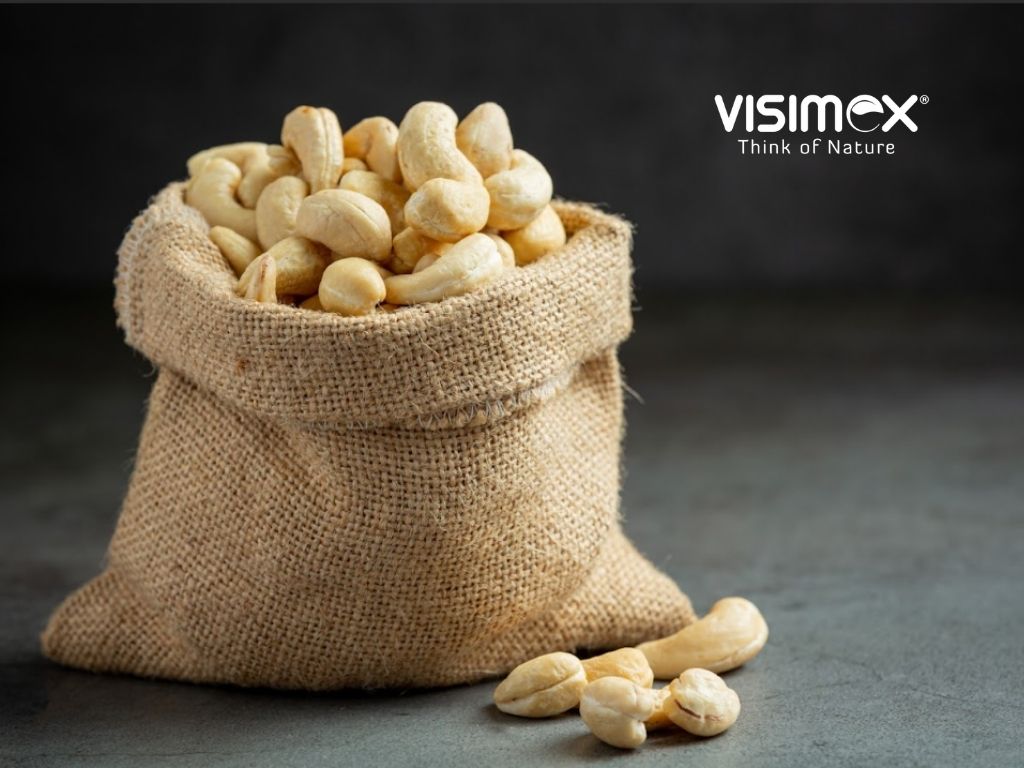
7.1 Enjoy Cashews as a Daily Snack
A small portion of unsalted roasted cashews is a convenient snack for work, travel, or busy afternoons.
Their rich flavor and satisfying texture make them a useful alternative to certain highly processed snack foods.
7.2 Add Cashews to Salads and Breakfast Bowls
Chopped cashews can provide extra texture and nutrients when sprinkled over:
- Fresh vegetable salads.
- Oatmeal and porridge.
- Yogurt bowls.
- Whole-grain breakfast dishes.
Combining cashews with fruits, vegetables, and whole grains can help create more varied meals.
7.3 Use Cashew Butter
Cashew butter is made from ground cashew kernels and offers a creamy, naturally nutty flavor.
It can be spread on whole-grain bread, added to smoothies, or incorporated into sauces.
Choose products with minimal added sugar or salt when possible.
7.4 Prepare Plant-Based Cashew Milk
Cashews can be blended with water to create a creamy plant-based beverage.
Cashew milk is widely used in smoothies, coffee beverages, and dairy-free recipes.
However, homemade or unfortified cashew milk generally contains less protein than cow’s milk and may not provide comparable calcium or vitamin B12 unless fortified.
7.5 Include Cashews in Savory Dishes
Cashews work particularly well in Asian-inspired dishes, including:
- Vegetable stir-fries.
- Curries.
- Rice and noodle dishes.
- Creamy plant-based sauces.
Their subtle sweetness and buttery texture complement both savory and mildly spicy ingredients.
Tip: For regular consumption, prioritize good-quality, properly stored cashews with minimal added ingredients.
Visimex – Pioneering the Journey of Vietnamese Cashews to the World
As a leading cashew exporter in Vietnam, Visimex has partnered with farmers for over 23 years, building a fully integrated supply chain from raw material sourcing to processing. Visimex products meet international certifications including EU Organic, USDA Organic, BRC, and Halal, ensuring the highest standards for global markets.

Beyond exports, Visimex pursues sustainable development, emphasizing social and environmental responsibility, and aims to elevate the value of Vietnamese cashews on the global agricultural map. With the vision “Think of Nature,” Visimex continues to play a pioneering role in bringing Vietnamese agricultural products to the world, strengthening Vietnam’s top position in the global cashew industry.

Organic Cashew Nuts – Premium Vietnamese Cashew Kernels
Contact Information:
+Address: NIC GROUP Building, No. 3A Thi Sach, Hai Ba Trung, Hanoi
+Website: https://visimex.com
+Email: sales@visimex.com
+Phone: (+84) 989 255 988 | (+84) 90 456 1155
+LinkedIn: https://www.linkedin.com/company/visimexcorp