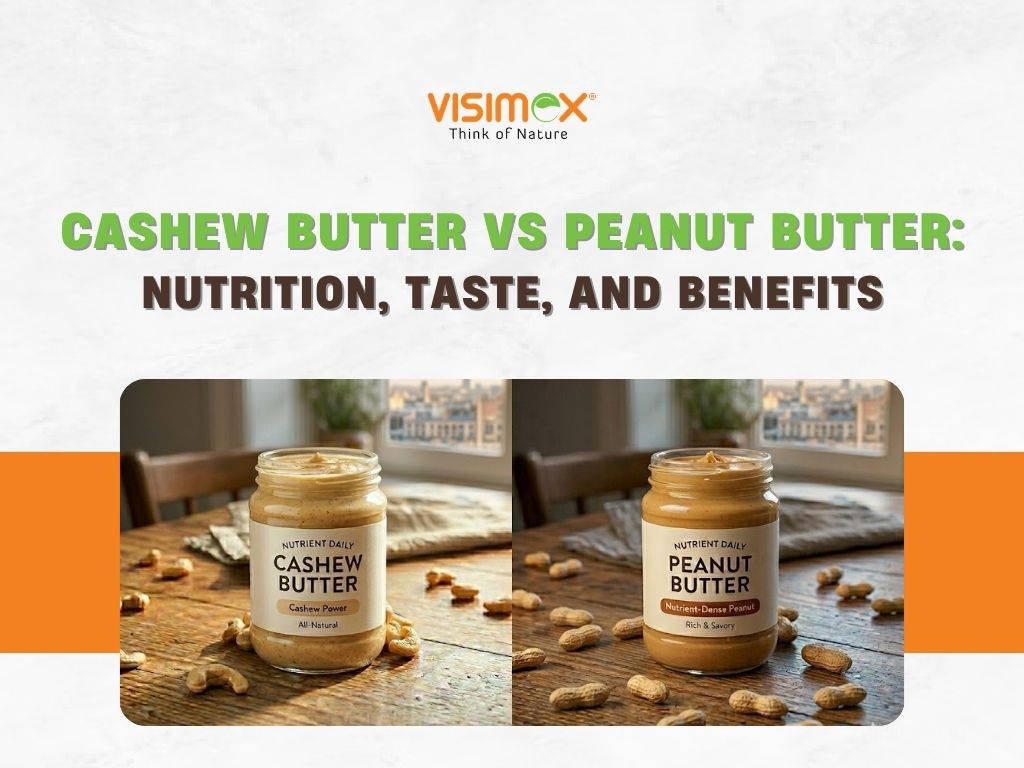


Nut butters have become a popular choice for adding both flavor and nutrition to everyday meals. Among them, cashew butter and peanut butter are often compared. While both offer unique benefits, understanding their differences can help you choose the one that best fits your lifestyle.
1. Cashew Butter vs Peanut Butter: Why This Comparison Matters
1.1. The Rise of Nut Butters in Healthy Diets

Nut butters are widely appreciated for their balance of healthy fats, protein, and essential nutrients. They are easy to incorporate into meals, whether spread on toast, blended into smoothies, or used in cooking.
As more people move toward clean and mindful eating, the quality and type of nut butter they choose has become increasingly important.
1.2. Cashew Butter vs Peanut Butter at a Glance
At a glance, both spreads offer similar calorie ranges and are nutrient-dense. However, they differ in flavor, texture, and how they are typically used.
Peanut butter is known for its bold, roasted taste, while cashew butter stands out for its smooth, mild flavor and creamy consistency. These differences can influence not only preference but also how easily each fits into different meals.
2. Nutritional Comparison: What’s Inside Each Spread?
2.1. Calories and Macronutrients
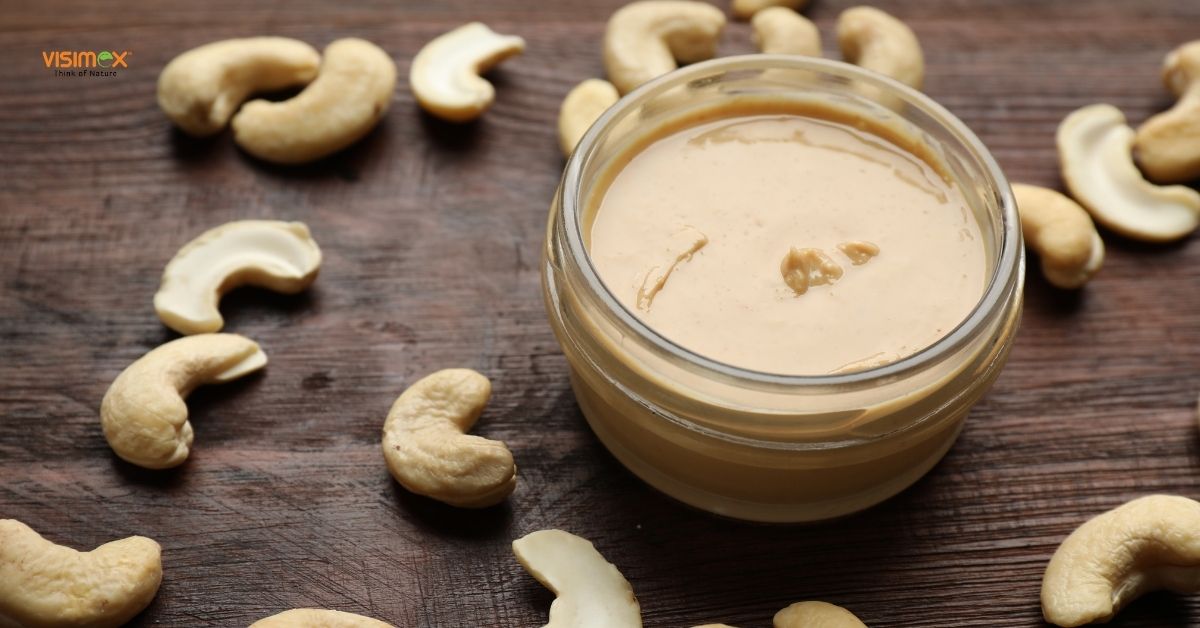
Cashew butter and peanut butter contain comparable calorie levels per serving. Peanut butter generally provides slightly more protein, while cashew butter offers a balanced combination of fats and carbohydrates.
Both can be part of a healthy diet when consumed in appropriate portions.
2.2. Healthy Fats and Overall Balance
Both options contain mostly unsaturated fats, which are considered beneficial for overall health.
Cashew butter is often perceived as lighter in texture and flavor, which can make it easier to incorporate into a variety of meals without overpowering other ingredients. This subtlety contributes to a more balanced eating experience.
2.3. Vitamins and Minerals
Cashew butter provides important minerals such as magnesium and iron, while peanut butter is known for nutrients like vitamin E and niacin.
Although both are nutritious, cashew butter is sometimes overlooked despite offering a valuable range of micronutrients that support daily health.
3. Taste and Texture: A Key Difference
3.1. Cashew Butter: Smooth, Mild, and Creamy
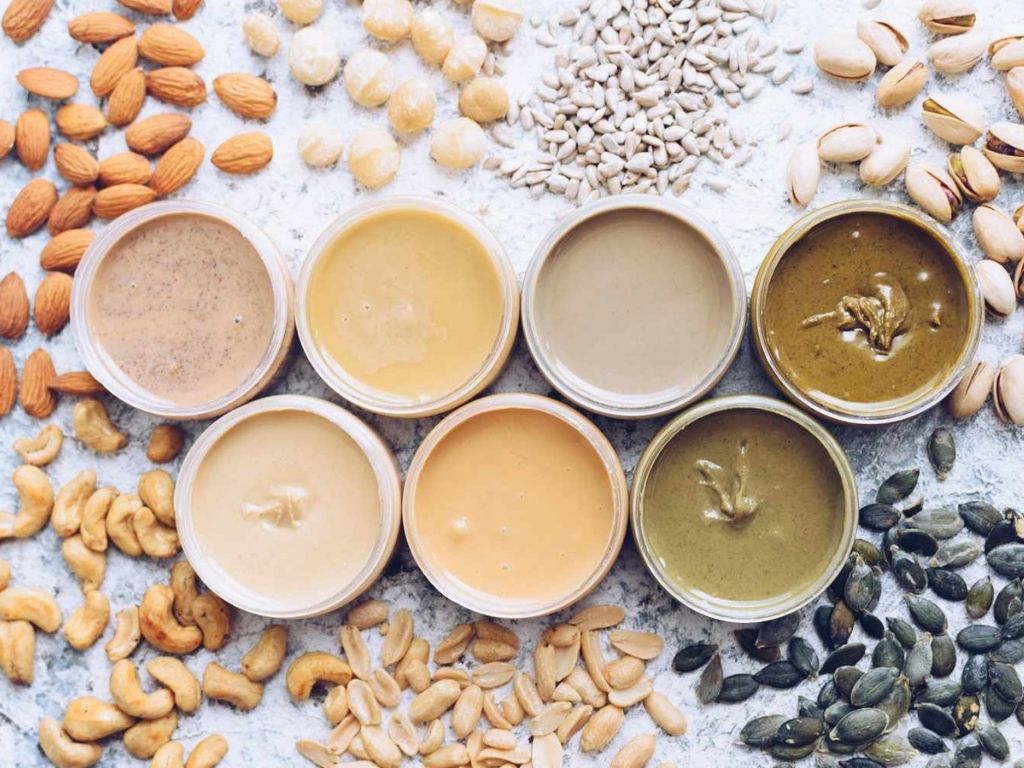
Cashew butter is known for its naturally smooth and creamy texture, combined with a mild and slightly sweet flavor. This gentle taste makes it easy to enjoy on its own or as part of different dishes.
Because it does not overpower other ingredients, cashew butter blends well into both sweet and savory recipes. Whether added to smoothies, spreads, or sauces, it enhances the overall texture while keeping the flavor balanced and subtle.
3.2. Peanut Butter: Rich and Bold Flavor
Peanut butter has a stronger and more distinctive taste, often described as rich and slightly roasted. This bold flavor is one of its main appeals and is widely recognized.
However, its intensity can sometimes dominate a dish, making it less flexible in recipes where a lighter or more neutral taste is preferred. For some people, this stronger profile is a benefit, while for others, it may feel limiting.
3.3. Which One Is More Versatile in Daily Use?
When it comes to versatility, cashew butter often stands out. Its mild flavor allows it to adapt easily to different types of meals, from breakfast options like oatmeal and smoothies to savory dishes and even baking.
Peanut butter, while still versatile in its own way, tends to leave a more noticeable flavor imprint. This makes it ideal for certain recipes but less adaptable in situations where you want other ingredients to take the lead.
4. Health Benefits: Which One Stands Out?
4.1. Energy and Satiety

Both cashew butter and peanut butter provide a combination of healthy fats and protein that can help you feel full and satisfied after eating.
Cashew butter’s smoother texture and milder taste can make it easier to include regularly in meals or snacks, especially for those who prefer lighter options. This can support more consistent eating habits throughout the day.
4.2. Supporting a Balanced Diet
Cashew butter fits naturally into a balanced diet because of its flexibility and ease of use. It can be paired with fruits, whole grains, or other nutrient-rich foods to create more complete meals.
This adaptability makes it easier to maintain variety in your diet, which is an important part of building long-term, sustainable eating habits.
4.3. Digestibility and Everyday Comfort
For some individuals, cashew butter may feel gentler on digestion due to its smooth consistency and less intense flavor.
While everyone’s body responds differently, its lighter profile can make it a comfortable option for daily use, especially when consumed in moderate amounts as part of a balanced routine.
5. Ingredient Quality and Processing Matter
5.1. Natural vs Processed Nut Butters

Not all nut butters offer the same level of quality. While some products are made simply from ground nuts, others may include added sugars, refined oils, or artificial ingredients to enhance flavor and texture.
These additions can change not only the taste but also the overall nutritional profile. Over time, regularly consuming heavily processed options may add unnecessary calories or ingredients that do not contribute much to your health.
Choosing natural nut butters with minimal ingredients helps you stay closer to the original nutritional benefits of the nuts themselves, making it easier to align your choices with a balanced diet.
5.2. Why Simple Ingredients Make a Difference
Nut butters made from 100% nuts tend to provide a cleaner, more authentic taste that reflects the natural flavor of the ingredient. This simplicity also gives you more control over what you are consuming, especially if you are paying attention to added sugars or oils.
From a nutritional perspective, fewer ingredients usually mean fewer hidden additives and a more transparent product. This can be particularly helpful for those following a clean eating approach or trying to build more mindful eating habits.
In many cases, simplicity is not just about taste, but also about consistency and trust in what you are adding to your daily routine.
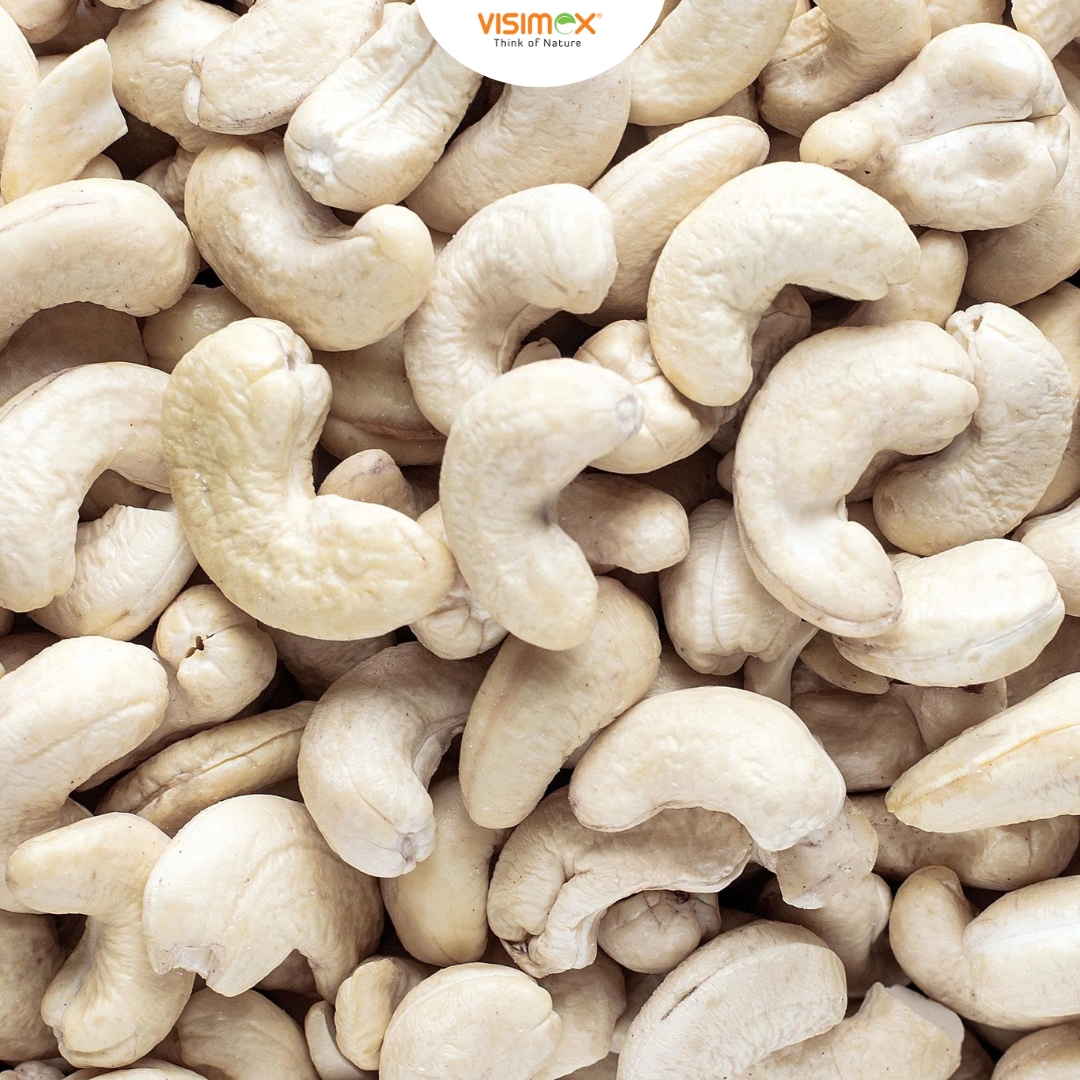
5.3. Choosing High-Quality Cashew Butter
When it comes to cashew butter, the quality of the raw cashews and the way they are processed can make a noticeable difference. Factors such as sourcing, roasting methods, and production standards all influence the final texture, flavor, and nutritional value.
For consumers, this means a more reliable product that can be easily incorporated into everyday meals, whether for convenience, taste, or long-term health.
6. Cashew Butter vs Peanut Butter: Which Should You Choose?
6.1. If You Prefer Mild Taste and Versatility → Cashew Butter
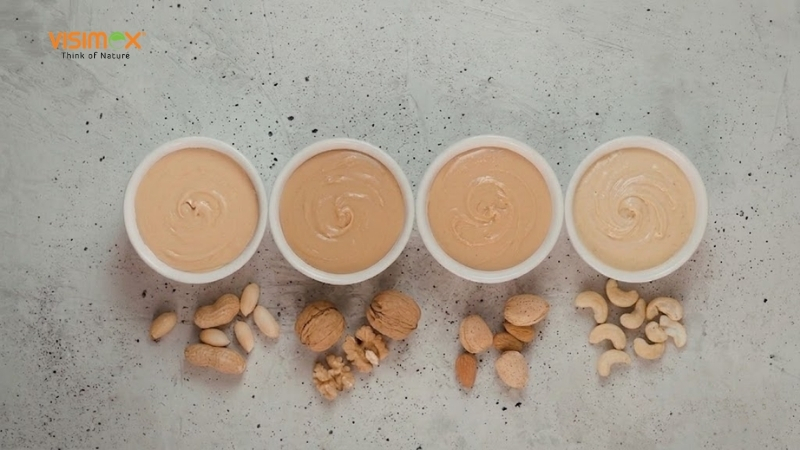
If you enjoy a smoother texture and a more subtle flavor, cashew butter is often the better choice. Its mild taste makes it easy to pair with a wide variety of foods, from breakfast dishes like oatmeal and smoothies to savory recipes such as sauces or dressings.
Because it does not dominate the overall flavor, cashew butter allows other ingredients to stand out while still adding creaminess and nutritional value. This makes it especially suitable for those who prefer a more balanced and adaptable option in their daily meals.
6.2. If You Want Strong Flavor and Higher Protein → Peanut Butter
Peanut butter may be more appealing if you enjoy a bold, roasted taste that stands out in every bite. Its stronger flavor can enhance certain recipes, especially when you want a more distinct nutty profile.
In addition, peanut butter typically contains slightly more protein, which may be beneficial for those focusing on higher protein intake. However, its intensity can sometimes limit how widely it can be used across different types of dishes.
6.3. For Everyday Balance → Cashew Butter as a Flexible Choice
For everyday use, cashew butter often offers a more flexible and easy-to-maintain option. Its light, creamy texture and neutral flavor make it suitable for regular consumption without feeling repetitive or overwhelming.
It can be used across different meals and occasions, whether as a spread, an ingredient in recipes, or a quick snack. This versatility makes it easier to build consistent eating habits over time.
If your goal is to find a nut butter that fits seamlessly into a balanced lifestyle, cashew butter provides a practical and enjoyable choice that works across a wide range of situations.
7. Conclusion: Finding the Right Fit for Your Lifestyle
When comparing cashew butter vs peanut butter, there is no single option that works for everyone. Each brings its own strengths, depending on your preferences, dietary needs, and how you like to use it in your daily routine.
That said, if you are looking for something more versatile, with a milder flavor that fits easily into both sweet and savory dishes, cashew butter can be a particularly practical choice. Its smooth texture and adaptability make it easier to incorporate consistently into everyday meals.
The overall experience also depends on the quality of the product you choose. With its focus on sourcing and careful processing, Visimex offers cashew butter that stays close to the natural characteristics of cashews, making it a reliable option for those building a more balanced and mindful lifestyle.
In the end, the best choice is the one that feels natural, enjoyable, and sustainable for you over time.

+Address: NIC GROUP Building, No. 3A Thi Sach, Hai Ba Trung, Hanoi
+Website: https://visimex.com
+Phone: (+84) 989 255 988 | (+84) 90 456 1155
+LinkedIn: https://www.linkedin.com/company/visimexcorp