

As India’s food industry continues to evolve toward premium, export-oriented, and health-conscious products, white pepper in India has become a growing topic of interest. While black pepper remains dominant in everyday Indian cuisine, white pepper is increasingly valued in professional kitchens, food manufacturing, and international trade.
This article explores white pepper in India from a practical, commercial, and application-focused perspective helping buyers, importers, and food professionals understand when, why, and how white pepper is used in the Indian context.
1. What Is White Pepper?
1.1 Definition of White Pepper
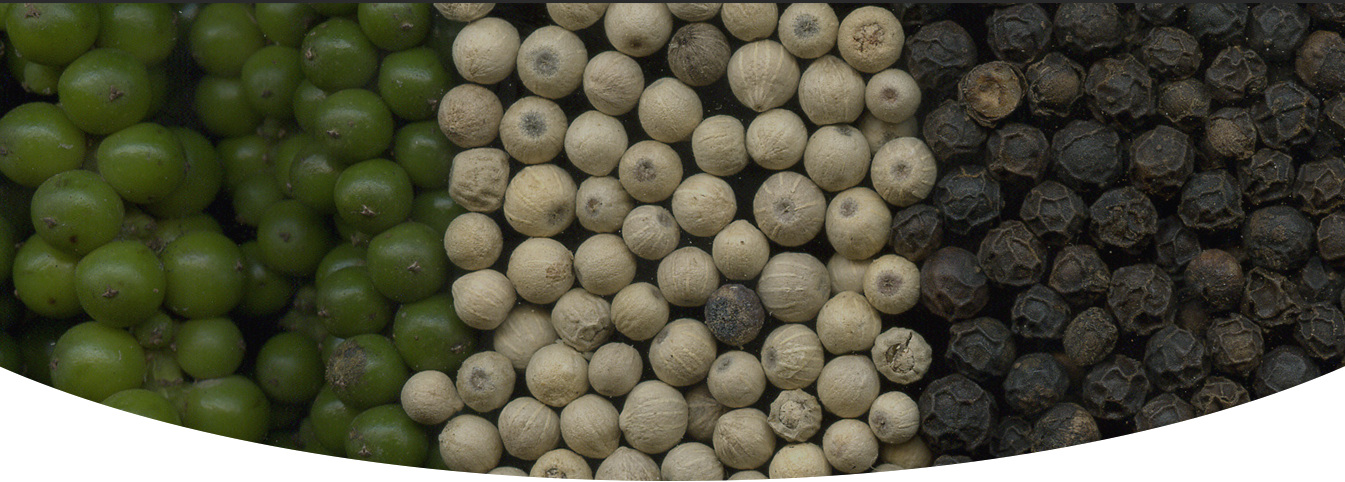
White pepper is produced from fully ripe pepper berries by removing the outer black skin through soaking and processing. The result is a pale-colored peppercorn with a cleaner appearance and milder aroma compared to black pepper.
In discussions around white pepper in India, it is often described as a refined spice suited for dishes where color and subtlety matter.

1.2 White Pepper vs. Black Pepper
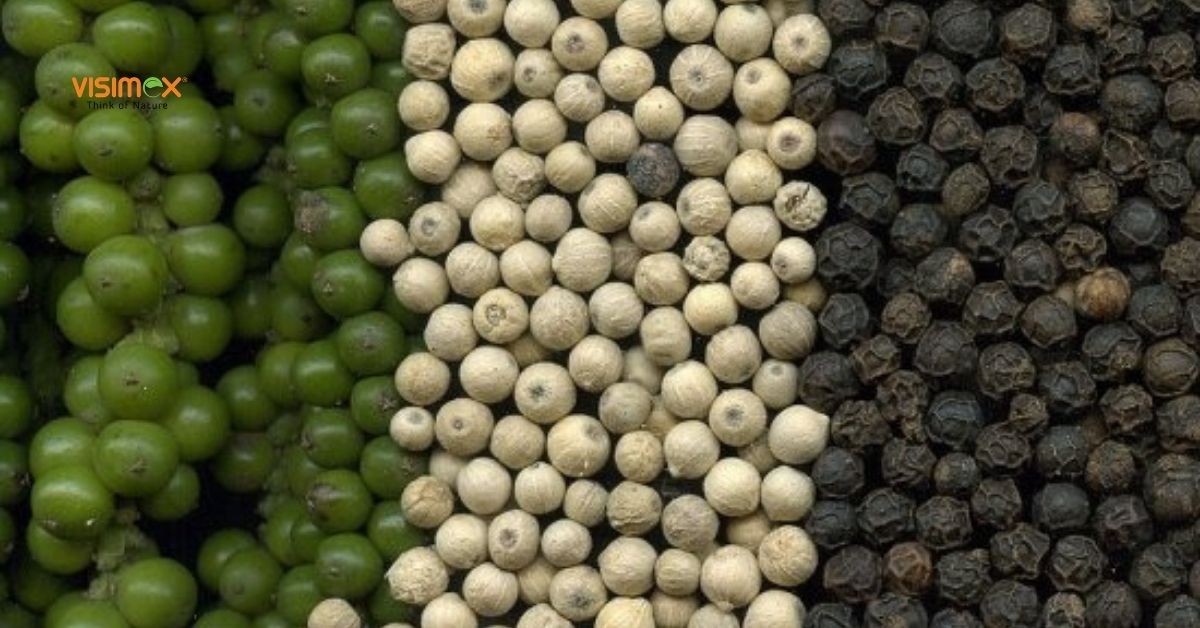
Understanding the difference between white pepper and black pepper is essential for anyone researching white pepper in India, especially buyers, chefs, and food manufacturers evaluating the right spice for specific applications.
Although both spices come from the same pepper plant, their processing methods, sensory profiles, and culinary roles differ significantly.
White pepper is produced from fully ripened pepper berries after the outer skin is removed. This process results in:
– A milder, more refined aroma with fewer earthy notes
– A clean, steady heat that builds gently on the palate
– A light, creamy color that blends seamlessly into food without altering appearance
In contrast, black pepper is made by drying unripe green pepper berries with the outer skin intact, giving it:
– A strong, pungent aroma with woody and smoky notes
– A sharper, more aggressive heat
– A dark color that visibly impacts the final look of dishes
From a culinary and commercial perspective, white pepper is preferred when visual consistency and subtle flavor balance are critical. This includes:
– Cream-based gravies, soups, and sauces
– Light-colored ready meals and seasoning blends
– Premium hotel, airline catering, and export-oriented dishes
For professionals exploring white pepper in India, the distinction is not about replacing black pepper, but about choosing the right pepper for the right purpose. Black pepper remains ideal for bold, traditional flavor profiles, while white pepper serves as a refined alternative for premium, international, and processed food applications.
This functional difference explains why white pepper, although less common in everyday Indian cooking, holds high strategic value in foodservice, manufacturing, and global trade.
1.3 Why White Pepper Is Considered Premium
White pepper is widely regarded as a premium spice due to the additional processing, stricter quality control, and higher production risks involved in its manufacture. This is why discussions around white pepper in India frequently associate it with high-end food products, professional kitchens, and export-grade applications.
Unlike black pepper, white pepper undergoes a secondary processing stage, where fully ripe pepper berries are soaked, fermented, and carefully dehulled to remove the outer skin.
2. How Is White Pepper Used in Indian and International Cuisine?
When people search for white pepper in India, they are often looking for clear, practical guidance on how and where white pepper is actually used. Unlike black pepper, which is deeply embedded in everyday Indian cooking, white pepper plays a more specialized and application-driven role in both Indian and international cuisine.
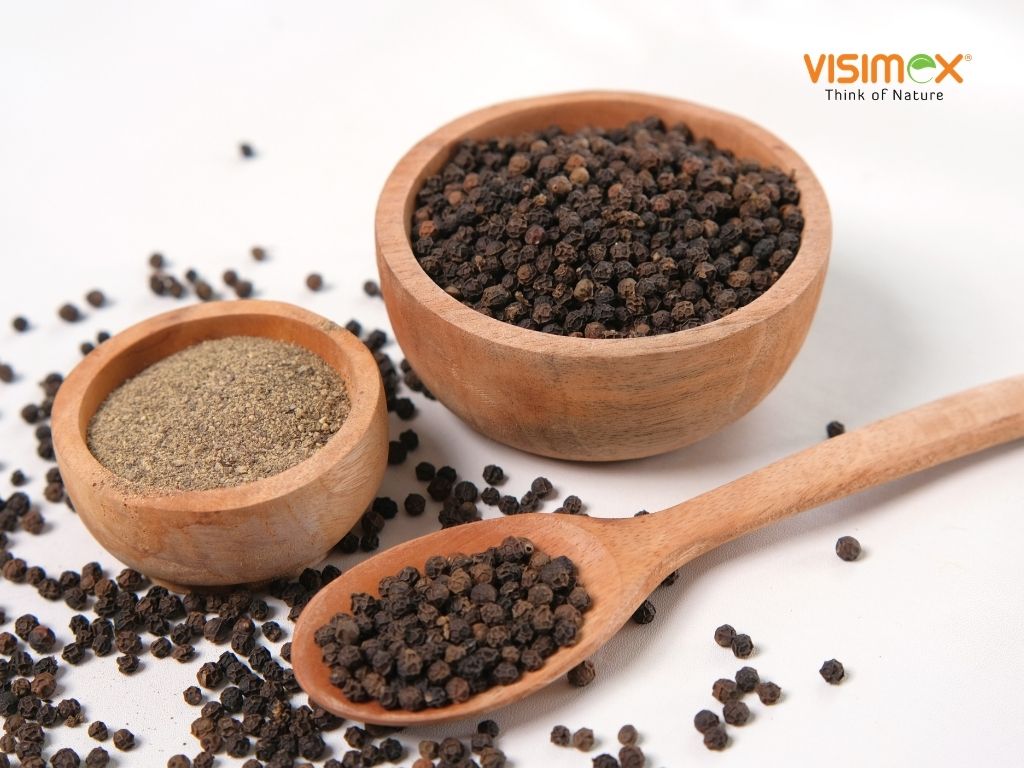
Its value lies in its subtle flavor, clean heat, and visual neutrality, making it an essential ingredient in professional kitchens and food manufacturing.
2.1 Culinary Applications
White pepper is commonly used in culinary contexts where refinement, consistency, and appearance are critical:
– Mughlai and North Indian gravies, where white pepper complements dairy-based ingredients such as cream, yogurt, and nuts without overpowering delicate flavors
– Cream-based sauces and soups, including continental-style veloutés, chowders, and light broths, where black specks from black pepper would be undesirable
– Continental and fusion dishes, especially recipes influenced by European and modern Asian cuisine that require a smooth, balanced spice profile
– Hotel and fine-dining recipes, where chefs prioritize clean presentation, controlled heat, and repeatable results
In these applications, white pepper functions not as a dominant spice, but as a supporting ingredient that enhances depth and warmth while maintaining elegance.
For professionals exploring white pepper in India, understanding these use cases helps clarify why white pepper is positioned as a premium, purpose-driven spice rather than a household staple. Its role is closely tied to modern gastronomy, foodservice standards, and export-oriented culinary practices.
2.2 White Pepper vs. Black Pepper in Cooking
White pepper is chosen when:
– A light-colored dish must remain visually clean
– A mild, rounded spiciness is preferred
– The recipe targets international or export markets

This makes white pepper in India particularly relevant for chefs and product developers.
3. Health Benefits and Functional Value
Health-related questions are a major driver behind growing interest in white pepper in India, particularly among food manufacturers, wellness-oriented brands, and consumers seeking balanced flavor with functional benefits.
While white pepper and black pepper share similar bioactive compounds, the processing and sensory profile of white pepper give it distinct advantages in certain health-focused applications.
White pepper is commonly associated with the following benefits:
– Supporting digestion, as its active compounds stimulate digestive enzymes and promote gut comfort
– Providing gentle warmth without harsh pungency, making it suitable for consumers who prefer mild yet effective spice
– Being suitable for sensitive palates, including children, elderly consumers, and individuals with lower spice tolerance

Compared to black pepper, white pepper is often perceived as easier on the stomach, particularly because it lacks the sharp outer skin that can intensify pungency and irritation in some formulations. This characteristic makes white pepper especially valuable in:
– Light soups and broths
– Dairy-based or cream-based products
– Ready-to-eat meals designed for broader consumer groups
From a product development perspective, the functional value of white pepper goes beyond flavor. In the context of white pepper in India, it is increasingly viewed as an ingredient that supports digestibility, comfort, and balanced sensory experience, aligning well with health-oriented, premium, and clean-label food products.
==> Read more related topics: White Pepper Benefits
Explore how white pepper supports digestion, boosts metabolism, and provides anti-inflammatory benefits that contribute to overall health and wellness.==> Read more related topics: White Pepper Benefits for Female
Discover how white pepper supports women’s health by improving digestion, boosting metabolism, and providing antioxidants that promote skin health and overall well-being.==>Read more related topics: White Pepper Benefits for Male
Discover how white pepper supports men’s health by boosting metabolism, improving digestion, and providing antioxidants that enhance overall vitality and wellness.
4. What Defines Good Quality White Pepper?
For B2B buyers researching white pepper in India, quality assessment is a critical step in supplier evaluation and product selection. Unlike retail consumers, professional buyers must consider sensory performance, safety compliance, and consistency across batches.
High-quality white pepper is defined by several key indicators:
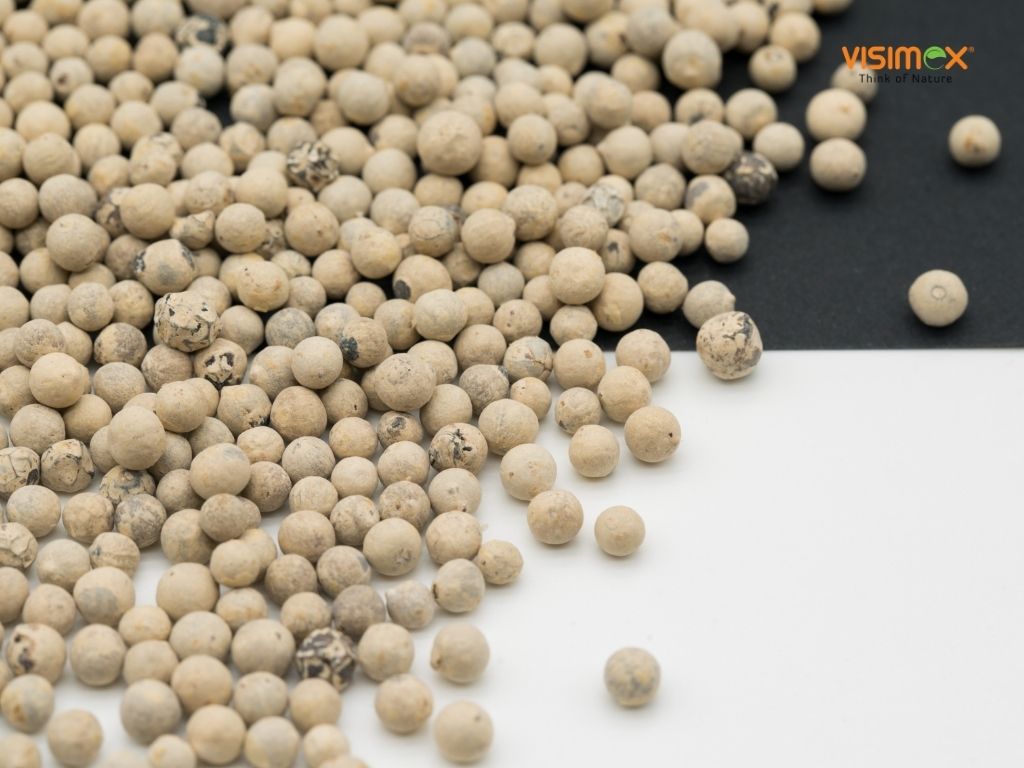
– Uniform light color, ranging from off-white to pale cream, indicating controlled processing and proper removal of the outer skin without excessive fermentation
– Clean, non-fermented aroma, free from sour, musty, or overly pungent notes that may result from poor soaking or drying conditions
– Strong but balanced pungency, providing a steady heat suitable for standardized recipes without overpowering other ingredients
– Absence of mold and foreign matter, including stones, husk residues, or microbial contamination, which is essential for food safety and regulatory compliance
Beyond sensory attributes, premium white pepper must also demonstrate:
– Stable moisture levels to prevent spoilage during storage and transport
– Consistent particle size for predictable performance in grinding and blending
– Reliable documentation supporting traceability and quality control
For food processors and export-focused brands, high-quality white pepper ensures product consistency, reduced risk of rejection, and smoother market access. In the context of white pepper in India, these quality indicators help buyers distinguish between commodity-grade material and export-ready white pepper suitable for international food applications.
5. Sourcing and Origin: Why It Matters
When evaluating white pepper in India, buyers often compare origins and supply reliability.
Countries with established white pepper production offer:
– Consistent volumes
– Advanced processing capabilities
– Better compliance with international food safety standards
For Indian buyers in the B2B segment, stable sourcing is as important as price.
6. Organic White Pepper: A Growing Opportunity
The conversation around white pepper in India is increasingly linked to organic production, clean-label positioning, and transparent supply chains. As global food markets tighten regulations and consumers become more conscious of ingredient origins, organic white pepper is emerging as a strategic growth segment rather than a niche product.
Organic white pepper particularly appeals to:
– Export-driven food brands seeking compliance with international organic standards and long-term market access
– Health-focused consumers who prioritize natural cultivation methods and minimal chemical exposure
– International buyers demanding traceability and certification, including documented origin, controlled farming practices, and audited processing facilities
From a commercial perspective, organic white pepper offers several advantages:
– Strong differentiation in premium and international markets
– Better alignment with clean-label and sustainability trends
– Increased trust among buyers requiring full supply chain transparency
As India’s premium food exports continue to expand, demand for organic ingredients is expected to rise in parallel. Within this context, white pepper in India is no longer viewed solely as a refined culinary spice, but as a value-added agricultural product that supports higher positioning, regulatory compliance, and long-term brand credibility in global markets.
Conclusion
White pepper in India is no longer just a niche search term it reflects a broader shift in India’s food and spice understanding. While black pepper remains a staple, white pepper is carving out a clear role in premium cuisine, food processing, and international trade.
For buyers and professionals in India, understanding white pepper’s applications, quality standards, and sourcing dynamics is key to making informed commercial decisions.

+Address: NIC GROUP Building, No. 3A Thi Sach, Hai Ba Trung, Hanoi
+Website: https://visimex.com
+Phone: (+84) 989 255 988 | (+84) 90 456 1155
+LinkedIn: https://www.linkedin.com/company/visimexcorp