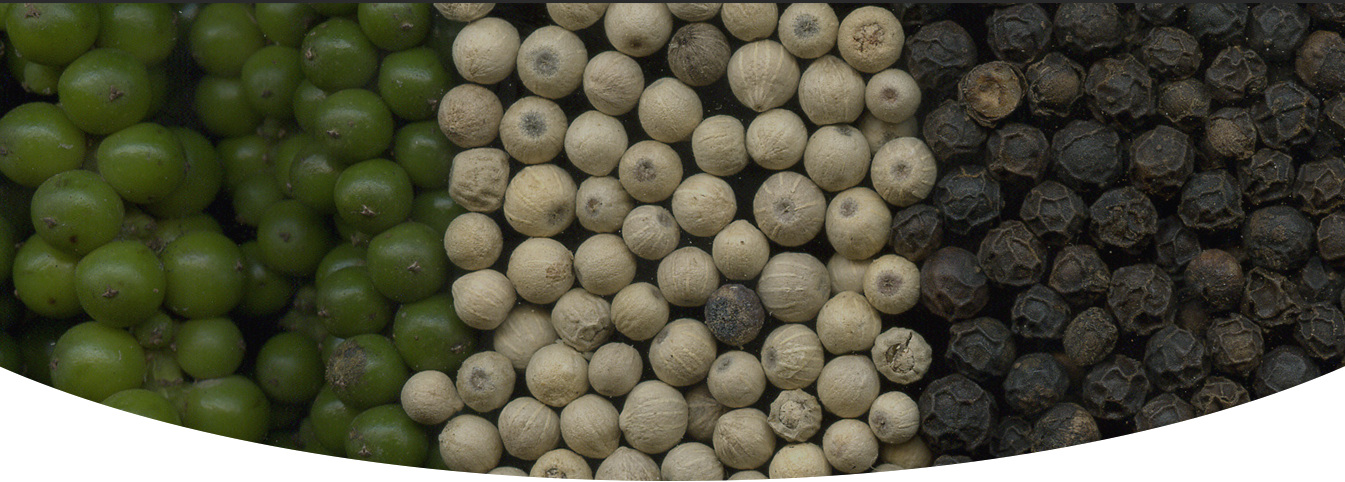


Many patients preparing for a colonoscopy ask: can I have black pepper before colonoscopy? This question is common because spices like black pepper can irritate the digestive system or affect colon visibility. Understanding what foods, drinks, and seasonings are safe before the procedure is crucial. In this guide, we will answer can I have black pepper before colonoscopy, explain the reasons, and provide helpful tips for a smooth preparation. By the end, you will have clear guidance on using black pepper and other spices safely.
1. Understanding Colonoscopy Preparation
1.1 Why Diet Matters Before Colonoscopy
Diet is one of the most important factors in preparing for a colonoscopy. The goal of pre-colonoscopy nutrition is to ensure the colon is completely clean, so the doctor can clearly examine the intestinal walls and identify polyps, lesions, or other abnormalities. Eating the wrong foods can cause complications or interfere with the procedure.

Key reasons why diet matters:
– Cause residue in the colon, reducing visibility for doctors:
+ High-fiber foods, seeds, nuts, and certain spices like black pepper can leave small particles in the colon.
+ These residues can obscure polyps or lesions, making it harder for doctors to detect abnormalities.
– Increase the risk of complications during the procedure:
+ Foods that are hard to digest may increase bloating, gas, or discomfort during the bowel prep.
+ Residue in the colon may lead to longer procedures or additional interventions to clean the colon.
– Lead to inconclusive results and the need for repeat colonoscopy:
+ If the colon isn’t fully clear, doctors may miss important findings.
+ This could result in rescheduling the procedure, causing delays and extra stress.
Key points for a successful diet before colonoscopy:
– Avoid high-fiber foods 2–3 days before colonoscopy: Examples include whole grains, beans, raw vegetables, and certain fruits with skins.
– Stick to a clear liquid or low-residue diet as instructed: Clear broths, water, tea, coffee without cream, and clear juices are usually safe.
– Consult your doctor about specific spices and seasonings: Some spices, like black pepper, chili, or seeds, can leave residue or irritate the gut, so clarify what is safe.
1.2 Common Restrictions
Before colonoscopy, healthcare providers often give specific dietary restrictions to minimize colon residue and digestive irritation. Following these restrictions carefully improves the accuracy of the procedure.
Typical restrictions include:
– Avoid whole grains, nuts, seeds, and raw vegetables:
+ These foods are high in fiber and may leave particles in the colon that are difficult to clean.
+ Even small seeds, such as those in berries, can interfere with visibility.
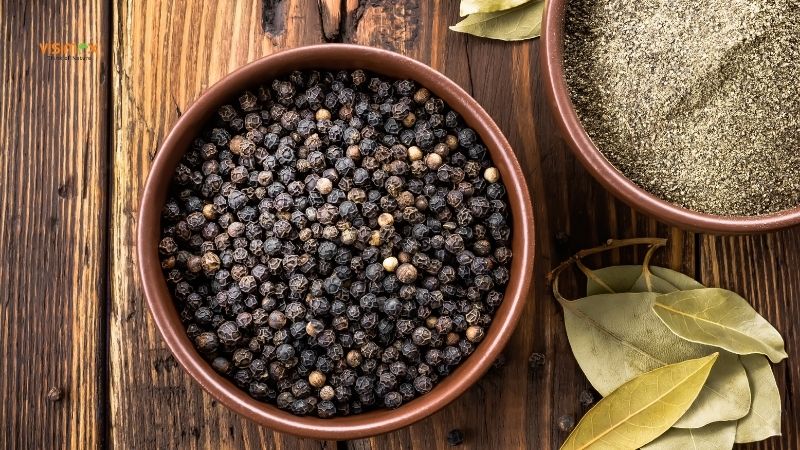
– Limit spicy foods that can irritate the gut, including chili and black pepper:
+ Spicy foods may cause digestive upset, bloating, or mild inflammation, which can affect preparation.
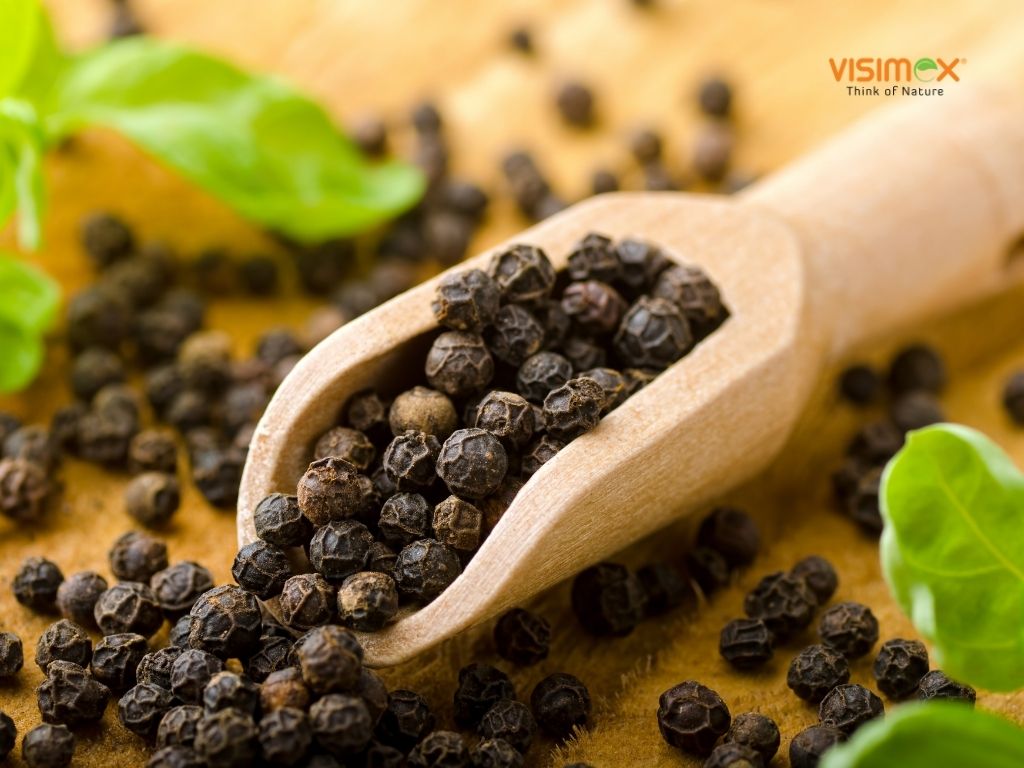
+ Many patients ask: “Can I have black pepper before colonoscopy?” — the safest approach is to avoid it for a few days prior.
– Stick to clear broths, plain juices, and water:
+ These liquids keep you hydrated and help flush the bowel without leaving residue.
+ Clear liquids like apple juice, ginger tea, or strained chicken broth are commonly recommended.
Additional tips:
+ Avoid colored drinks (red, purple, or orange) that may stain the colon and mimic blood during the exam.
+ Follow your doctor’s exact instructions for timing and quantity of liquids to ensure optimal preparation.
+ If unsure about any food or spice, check with your healthcare provider to avoid mistakes.
2. Can I Have Black Pepper Before Colonoscopy?
2.1 General Advice on Spices
Spices can add flavor and aroma to meals, but before a colonoscopy, careful consideration is required. Among common spices, black pepper is frequently questioned because of its potential impact on colon preparation.
Key points about black pepper before colonoscopy:
– It can irritate the stomach lining in sensitive individuals:
+ Even small amounts of black pepper may trigger mild stomach upset, heartburn, or increased digestive activity.
+ For patients with sensitive digestive systems, this can make bowel preparation more uncomfortable.
– It may contribute to residues in the colon that reduce visibility:
+ The tiny particles in black pepper are not fully digested and may remain in the colon.
+ These residues can obscure polyps, lesions, or other areas during the examination.
– Doctors often advise avoiding black pepper at least 2–3 days before the procedure:
+ Avoiding black pepper and other strong spices helps ensure a fully clean colon.
+ Following this advice improves the accuracy of the colonoscopy and reduces the risk of repeat procedures.
2.2 Risks of Consuming Black Pepper
Eating black pepper too close to your colonoscopy can have several consequences, even if consumed in small amounts. Understanding these risks can help patients make safer dietary choices.
Potential risks include:
– Cause gas, bloating, or mild digestive discomfort:
+ Black pepper can stimulate digestive enzymes, leading to increased gas or cramping.
+ This may interfere with the bowel prep solution’s effectiveness.
– Leave small particles in the colon that are visible during the procedure:
+ Residual black pepper particles can mimic abnormalities or obscure polyps.
+ This reduces the clarity of the colonoscopy images.
– Increase the likelihood of inconclusive results and rescheduling:
+ If the colon is not fully clear, the procedure may need to be repeated.
+ Rescheduling is inconvenient, costly, and may delay important diagnoses.
2.3 Safe Alternatives
While black pepper should generally be avoided, there are safe options for flavoring your food during colonoscopy preparation:
– Herbs like parsley or basil in small amounts:
+ Fresh herbs add subtle flavor without leaving solid residues in the colon.
+ They are safe to use in cooking or as garnish in low-residue meals.
– Salt or mild seasoning compatible with low-residue diets:
+ Salt enhances flavor without affecting colon cleanliness.
+ Mild seasonings like a dash of lemon juice are usually acceptable.
– Flavored oils without solid particles:
+ Olive oil or light vegetable oils can be used sparingly to improve taste.
+ Avoid chunky sauces or oils infused with seeds or spices that could leave residue.
By following these safe alternatives, you can maintain flavor in your meals while ensuring a clear colon for your procedure.
==>Read more related topics: Black Pepper Benefits
Explore the numerous Black Pepper Benefits, including its ability to boost metabolism, improve digestion, and enhance nutrient absorption, making it a powerful addition to your daily diet.
==> Read more related topics: Black Pepper Benefits for Skin
Learn how black pepper enhances skin health by fighting free radicals, promoting a brighter complexion, and supporting collagen production for a youthful appearance.
==> Read more related topics: Black Pepper Benefits for Female
Learn how black pepper supports women’s health by improving digestion, boosting metabolism, and providing antioxidant properties that contribute to skin health and overall well-being.
==> Read more related topics: Black Pepper Benefits for Male
Discover how black pepper helps boost metabolism, improve digestion, and enhance testosterone levels, promoting overall male health and vitality.
3. Tips for a Smooth Colonoscopy Preparation
3.1 Preparing Your Diet
To ensure the procedure is successful:
+ Follow your doctor’s diet instructions carefully.
+ Avoid solid foods, seeds, and fibrous vegetables 24–48 hours before.
+ Stick to clear liquids, plain broths, and diluted juices.

3.2 Using Spices Wisely
Regarding the question can I have black pepper before colonoscopy:
+ It is safest to avoid black pepper until after your procedure.
+ Mild, clear seasoning alternatives are acceptable.
+ Remember, even a small amount of black pepper can leave residue in the colon.
3.3 Other Preparation Tips
+ Drink plenty of clear fluids to stay hydrated.
+ Complete the bowel prep as instructed by your doctor.
+ Inform your doctor if you accidentally consumed black pepper before the procedure.
4. After the Colonoscopy
4.1 Reintroducing Foods and Spices
After your colonoscopy:
– You can gradually reintroduce spices, including black pepper.
– Start with small amounts to check for digestive tolerance.
– Continue to eat a balanced diet rich in fiber, vegetables, and lean proteins.
4.2 Monitoring Your Digestive Health
– Observe your body’s response to black pepper and other seasonings.
– Keep a food diary if you experience digestive issues.
– Consult your doctor for personalized advice.
Conclusion
So, can I have black pepper before colonoscopy? The safest approach is to avoid black pepper and other strong spices 2–3 days before the procedure. Doing so helps ensure a clear colon and accurate results. After the colonoscopy, black pepper can be gradually reintroduced into your diet. Following these guidelines, along with your doctor’s instructions, will make your colonoscopy safer, smoother, and more effective.

If you have any questions about our products or would like to learn more about Visimex’s agricultural solutions, please contact us through our official communication channels. You can also explore related articles and detailed product information on our official website.
Visimex – Think of Nature
+Website: https://visimex.com
+Email: sales@visimex.com
+LinkedIn: Visimex Corporation
We are always ready to support you and share knowledge to help you better understand the high-quality agricultural products offered by Visimex.